
Noom vs. Weight Watchers: What are the differences?
Chances are, you’ve heard of WW, formerly known as Weight Watchers – I think everyone knows at least one (if not more than one) person who did the program while it was still Weight Watchers. Noom is a newer program that has been growing in popularity recently. If you’re not familiar with either, the most obvious difference is the marketing: While WW markets their service with celebrity endorsements from the likes of Oprah and James Corden, Noom prefers to use their own satisfied customers as the face of their brand.
If you’re on the fence between the two, I’m here to give you the what’s what on each program and highlight the differences.
What is Noom?
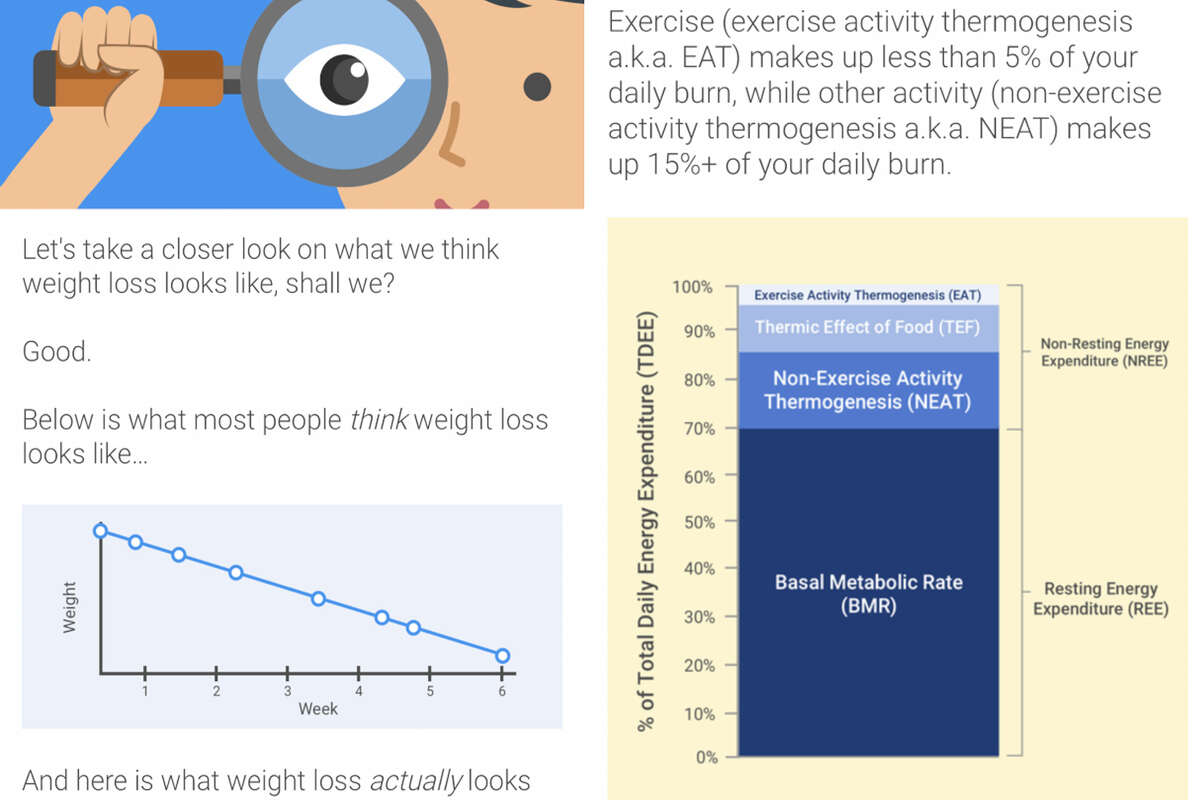
In Noom 203 lessons, you learn about how to anticipate and not freak out about a plateau.
NoomThe premise of Noom is to change not just how you eat, but how you think about eating. One of the ways it does that is by color-coding food based on its caloric content: green foods, like vegetables and whole grains, are less calorie dense, while red foods, like chocolate and pizza, are more calorie-dense. Calorie dense typically refers to foods with additives, like added sugars and fats. Then there are have yellow foods, which fit in the middle: think beans, some meats, and healthy fats, such as avocado.
Noom also focuses on a food’s caloric density. On example is 100 calories of grapes compared to 100 calories of raisins: one will fill you up (the grapes) while the other (raisins) will not. They advise that your diet should consist primarily of green foods, followed by yellow, and then red.
That said, red foods are not necessarily bad, they just need to be enjoyed in moderation. The program regularly reinforces that weight loss is a marathon, not a sprint. One of Noom’s core practices is incorporating habits into your daily life to keep you on track after you’ve achieved your goal. You need to be patient while working the program; you’ll also need to form a lot of healthy habits. Over the span of a few weeks (or months, depending on your goal), you’ll learn about healthy eating habits, ways to incorporate new foods into your diet, and even new ways to talk about food that involves more neutrality and less judgment.
If you’re interested in learning more about Noom, you can check out our full breakdown of how Noom works. You can also read the full review that I wrote after my first month.
What is Weight Watchers?
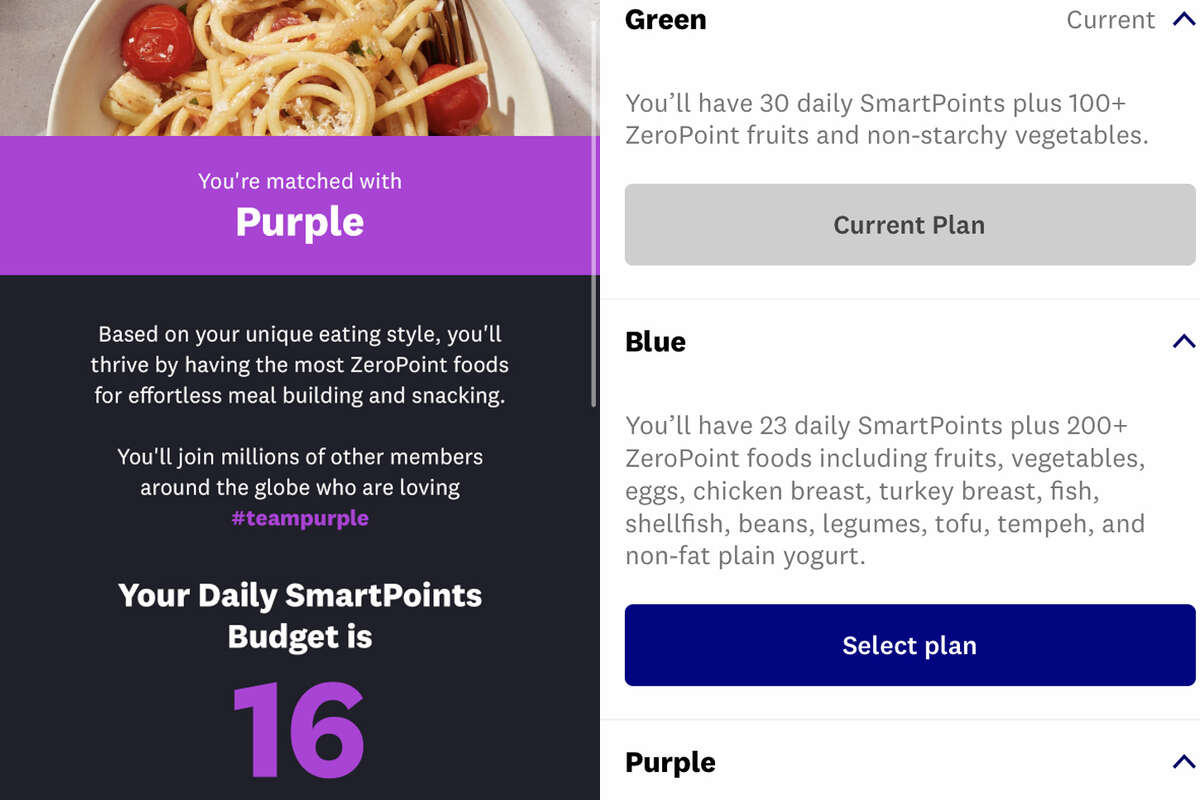
To make meal building easier with WW, a lower SmartPoints tier has many ZeroPoint foods and fewer daily SmartPoints when compared to the green tier.
WWAt its core, WW is about using your community to lose weight. It started in the ’60s in Queens with founder Jean Nidetch inviting her friends over for meetings to talk about weight loss, but it has evolved a lot since then: They introduced a “SmartPoints” system in 1998, which eventually evolved into its current system called “My WW+.” Through all that, WW stayed about counting your daily/weekly points and meeting with your community (in person or virtually) to discuss weight loss.
The different My WW+ Plans are broken up into different colored plans:
- Green plan: 30 daily points (100 zero point foods)
- Blue plan: 23 daily points (200 zero point foods)
- Purple plan: 16 daily points (300 zero point foods)
Each plan gives you a different allotment of “SmartPoints” to spend on some foods, and a list of “ZeroPoints” foods that you don’t need to keep track of. When you sign up for WW, you’ll take a quiz where WW tries to gauge your level of interest in tracking what you eat. At the end of the quiz, WW will sort you into a color that best suits your answers.
However, after signing up, if you feel like weren’t sorted into the best color for you, you can change your plan. If you feel that you would benefit from tracking your food closely, you can switch to Green, whereas if you prefer more flexibility, Purple has more foods classified as “ZeroPoints,” so you won’t have to track as much.
WW also offers a budget of Weekly SmartPoints that you can use if you go over your budget and FitPoints that can be earned from physical activities, which can then be traded for more SmartPoints to spend on foods or simply used to track progress.
How much does Noom cost?
You can test out Noom for only $0.50 for seven days. While they suggest using it for at least two weeks to really review the program, I think seven days is enough to tell if the program is right for you. After the seven-day trial, your card will be charged the full monthly amount of $59. Since Noom is meant to achieve a long-term goal and not a quick “fix,” I’d suggest opting for the annual plan, which is $199 (around $16/month), otherwise, $59 will add up quickly. There is also a 5-month plan for $149, which might fit some schedules better than an annual plan, though you can do the cost-benefit analysis there yourself.
Noom: Stop dieting. — Try for Seven Days – Noom
0.50Shop Now

How much does Weight Watchers cost?
You can get your first three months of WW for free (until Apr. 19). You won’t need to start paying until July, and your card will be automatically charged. There are three options to choose from:
- Digital (Starting at $3.38/week): This is just access to the WW app for self-guided weight loss
- Digital 360 (Starting at $4.61/week): This gives you access to coaches, community, and live & on-demand experiences
- Unlimited Workshops + Digital (Starting at $6.92/week): You can do WW in person or virtually on this program. You also get the option to choose your coach and group
However, that pricing is pulled directly from the website and it is a little misleading. When you actually sign up My WW+Digital is $24.99/month and Digital 360 is $34.99/month.
LIMITED TIME ONLY: Hurry, offer ends soon. – weightwatchers.com
6.92Shop Now

Counting “calories” vs. counting “points”
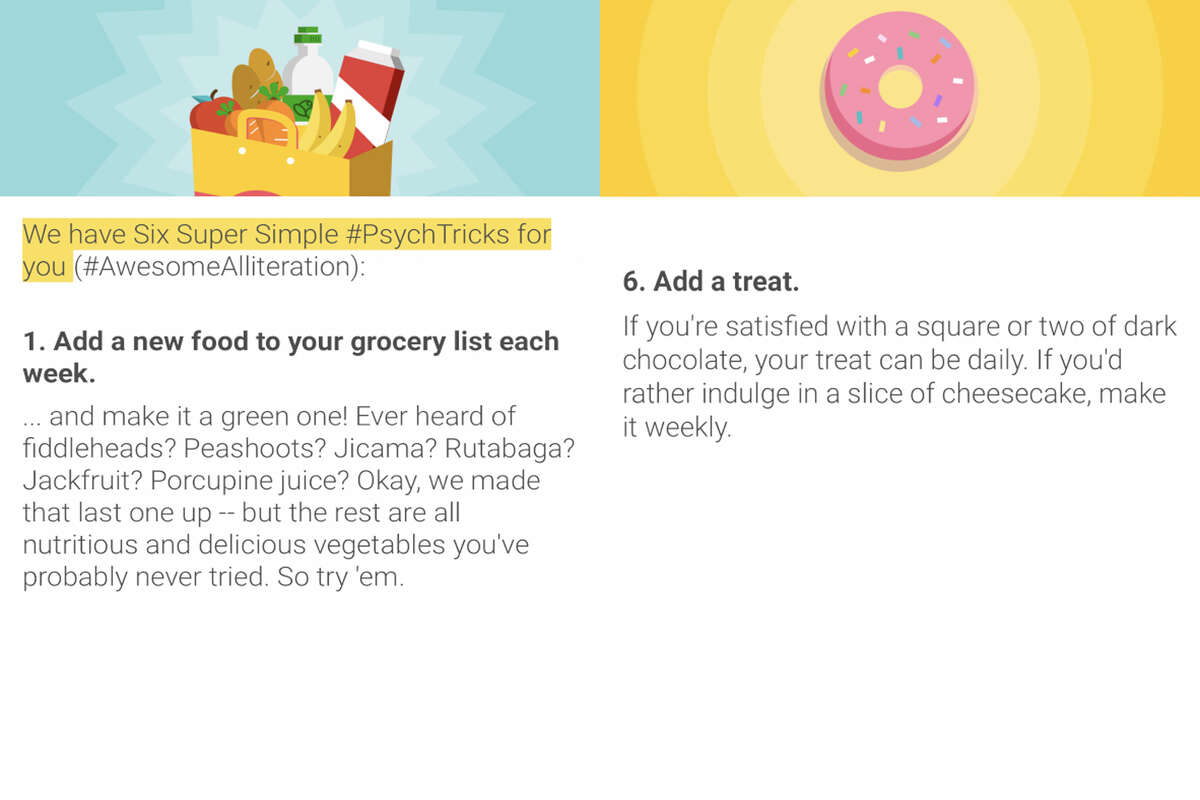
Tracking what you eat is a primary part of Noom, but the core focus is the daily Noom courses you take to learn tips & tricks to help you on your journey.
NoomThe most obvious difference between Noom and WW is that one has you count calories, while the other has you count SmartPoints. Both these systems are designed to put you into a calorie deficit, which means you’re eating fewer calories than you burn: Noom achieves this goal by helping you focus directly on calories, while WW provides an allotment of points to spend every day on your meals that allows you to lose a healthy amount of weight (which they calculate as “up to two lbs per week”).
If you’re curious about how many calories you’re currently burning, you can calculate it right now with this Total Daily Energy Expenditure (TDEE) calculator.
How many points you get on WW, and calories on Noom, is subject to your weight, age, overall health, activity levels, and your own choices. The absolute minimum calories you’ll be eating on Noom is 1,200, but can fluctuate between 1,200 and 2,400 based on your timeframe for weight loss and daily activity. The minimum number of points you’ll get to spend every day on WW is 16, though again, that can be adjusted to your needs. Which on you like better depends on whether your preference is for precision, or for going a bit more with the flow when you’re tracking what you eat.
The biggest difference here is the existence of ZeroPoint foods on WW, which can be consumed at will. ZeroPoint foods do not have zero calories, but are foods that you’re allowed to consume at will, and each plan in WW offers a different list. This provides opportunities for abuse, particularly in the case of salmon, which is sometimes a ZeroPoint food, depending on how it’s prepared and stored. While salmon, like most seafood, is healthy and offers a ton of great benefits, a filet will have anywhere between 300 to 800 calories, depending on the size and prep.
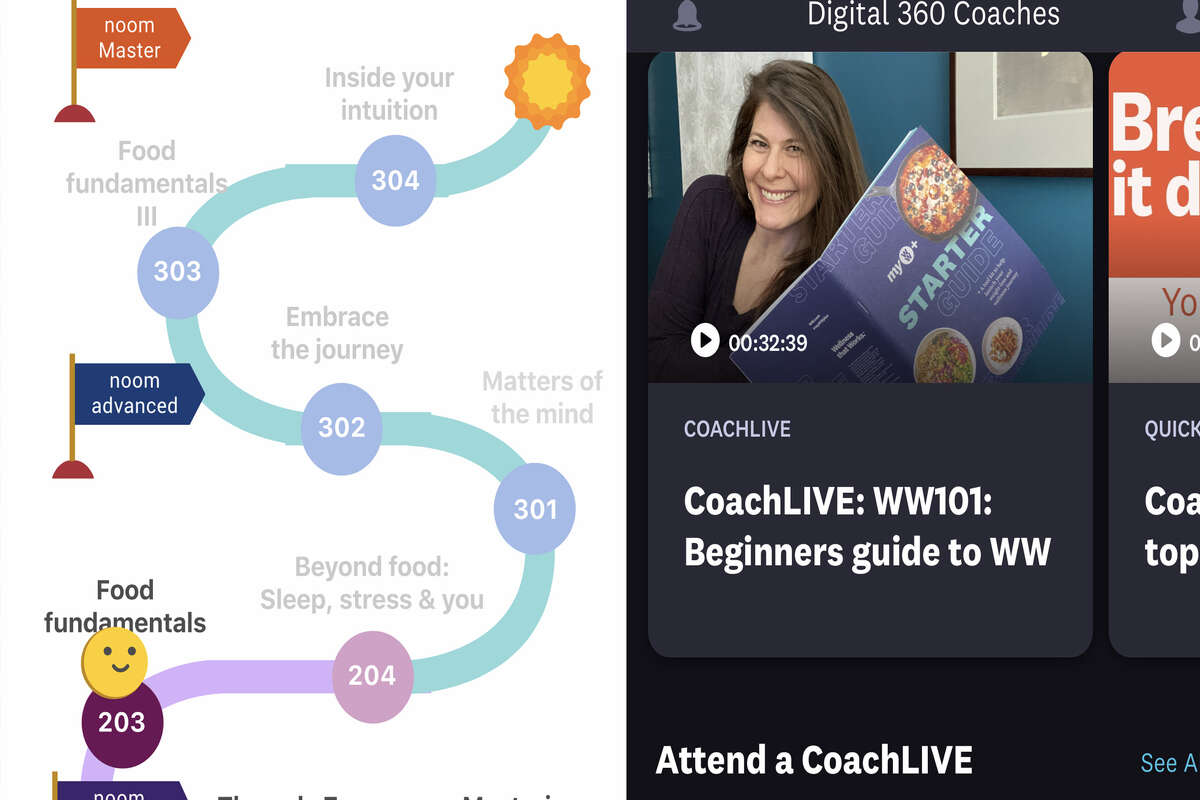
In the Noom app, your journey is guided by programs and weekly check-ins with your Goal Specialist. The WW app has many self-guided options, where you can pay extra to opt into having a coach, or you can watch coaching seminars on your own time.
Noom/WWOne big advantage WW has is its popularity. You can go into almost any grocery store and find at least one WW food, if not a whole aisle full of them. You can even go to Target to get that food and pick up a WW scale while you’re at it. If you don’t want to leave the house, you can order all of your WW snacks off of Amazon – it couldn’t be more convenient.
Noom’s equivalent is an app that categorizes foods you find as red, green, or yellow. It’s not a simple as grabbing a pre-packaged, pre-labeled WW meal, but it does offer more flexibility for people who like a little more control. Every food can fit into your daily diet on Noom, as long as you portion it properly and track red foods in moderation.
The Noom app vs. the Weight Watchers app
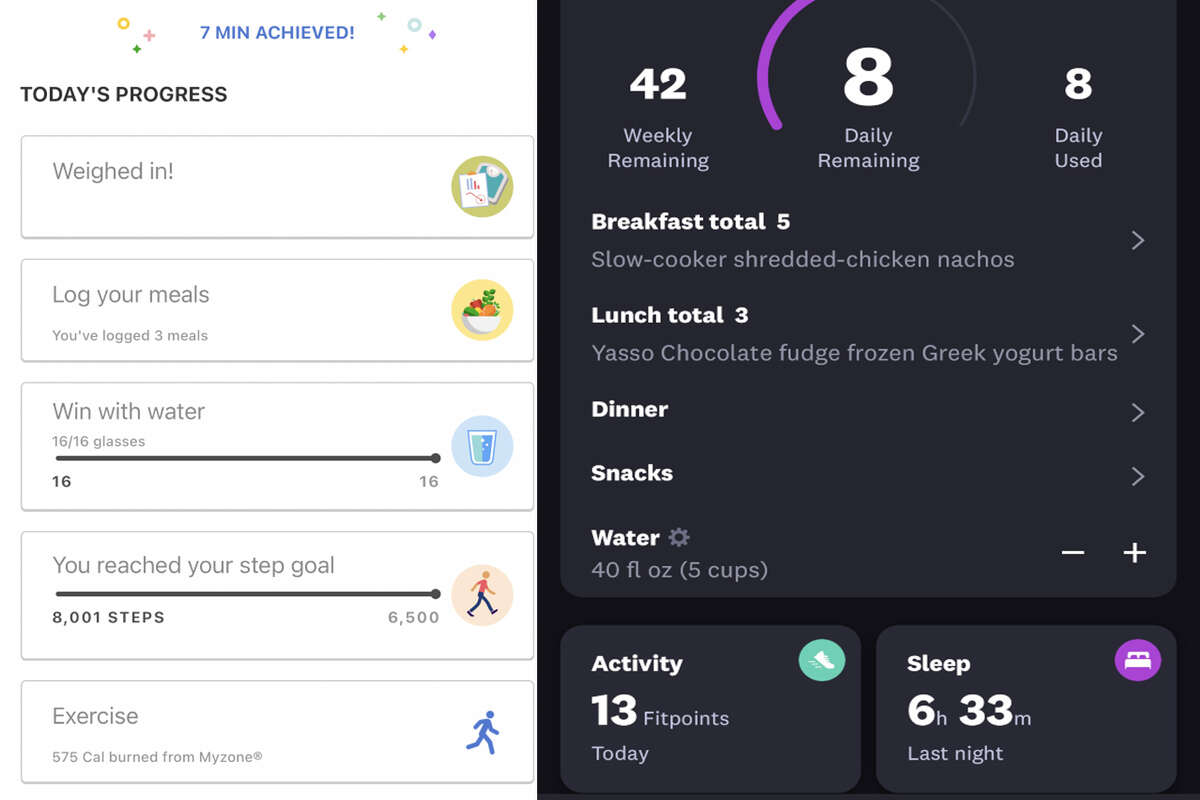
On the left, this is what it looks like tracking daily progress on Noom. On the right, you can see how your day looks on the WW app.
Noom/WWThe WW app is the clear winner here: not only is it more seamless, it’s also more aesthetically pleasing in design. While the Noom app is also functional and easy to use, it is not quite as universally applicable as WW’s. If you know how many points something is but don’t feel like building the whole recipe out in the WW app, you don’t have to. You can just quickly add it to your daily points usage.
Both Noom and WW have additional features, like recipes and workouts to do, though again WW’s approach is superior. You can easily access thousands of recipes from the WW app home page and follow along with simple instructions. You can also search for ZeroPoint foods, restaurants with a WW-friendly menu, how to shop WW snacks on a grocery run, and more.
WW also has a social media section integrated into the app where WW users can share their victories. You can scroll through and like success stories from the WW community. Meanwhile, Noom shares success stories on their social media accounts, but only occasionally will a Noom lesson have a success story included in-app.
Our personal experiences on Noom vs. Weight Watchers
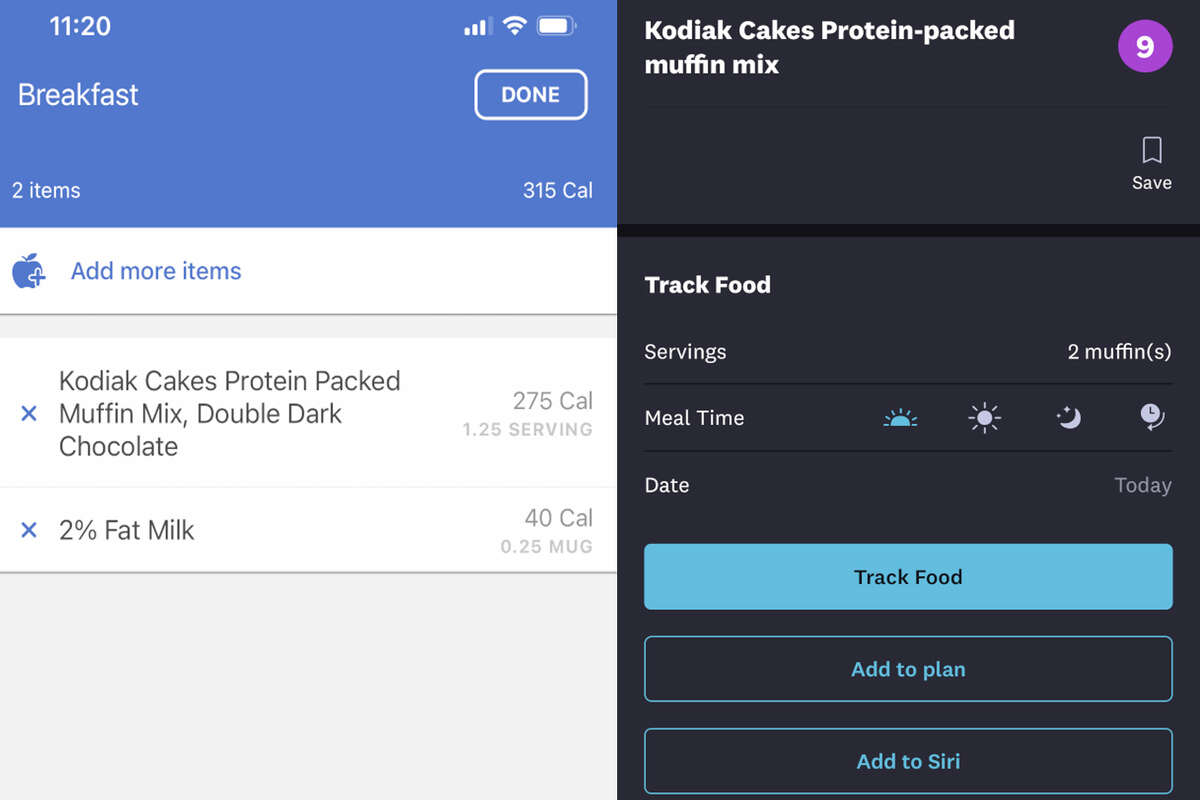
I logged the same food (a Kodiak Cakes protein muffin) in the Noom and WW apps. It was just over 300 calories for breakfast, about 1/6 of my Noom budget. But it was 9 points on WW, which is over half the 16-point budget WW gave me in Purple.
Noom/WWI started Noom on March 1st. Ultimately, my goal was to lose weight. However, I also wanted to mend my relationship with portion sizes and learn some healthier eating habits to incorporate into my everyday life. Since starting Noom, I’ve lost 17 pounds – and that’s despite the days around my birthday where I did not track anything I ate.
Since I hated school growing up, I was very surprised to find I actually enjoyed the Noom courses. I like learning about foods that will fuel me, and foods that I can indulge in (in moderation) when I want to reward myself. It’s worth noting that this is my first time using Noom, though I have tried (and failed) other weight loss programs in the past, like WW and Atkins.
As it would happen, when I started Noom my colleague, Nyasha Bass, mentioned that she was doing WW and offered to give some additional insight into the program.
Nysha has done WW a few times, back when it was called Weight Watchers. In fact, she mentioned that she started it because her grandma had done the program in the late ‘80s/early ‘90s. In fact, it’s the only weight loss program she’s ever done! Nyasha started about three weeks ago because she might go away this summer and hasn’t worn a bikini in years. She does believe that the meetings are a huge help, but right now, she is “too lazy and too busy” to go.
Of the three WW SmartPoints plans there are, Nyasha is on the Green 30-point plan. She has found herself cooking more from home, even though she hates cooking and loves dining out because it is easier to track her points while cooking at home (We agreed that restaurant food tastes so good because they use more butter than we’d ever want to know). However, while she is tracking, that doesn’t mean she isn’t indulging: She still drinks on WW, she just measures casually by “pouring wine into my little beaker and saying, ’okay that’s 4 ounces.’”
All in all, we both like our programs for their differences. Nyasha has been proven to be very loyal to Weight Watchers, whereas I was proven wrong about my initial skepticism of Noom.
You can sign up for Noom here, and Weight Watchers here.
