
FACTS FOR FAMILIES: Coping with anxiety to live a fuller life | Health, Medicine and Fitness
We hear about the signs and symptoms of stress a lot (last week’s column was about stress management), but are you aware of the signs of anxiety?
This month, Alexis Sanders, a community health student at the University of Illinois and an Extension family life intern, writes about the importance of understanding the signs and symptoms of anxiety. She also highlights various coping strategies to help.
Alexis says: Anxiety can be described as persistent and excessive fears about everyday situations. There can be many signs of anxiety. Some of the most common anxiety symptoms can include difficulty sleeping, feeling nervous or irritable, increased heart rate, and difficulty concentrating. If anyone is experiencing any of these symptoms, there are multiple treatment options for reducing anxiety.
Treatments for anxiety can be used alone, with others, or with a medical professional, if severe. Many people believe that medication is the only treatment for anxiety disorders, which is not true. Some of the most common treatments, when used alone, can include relaxation techniques, meditation, and exercise.
Other treatments that can be used with a medical professional include many different types of therapies. Cognitive behavioral therapy is used to target the physical symptoms and behaviors of anxiety. Acceptance Commitment Therapy is used as a mindfulness-based approach to help with finding a positive outcome associated with anxiety.
According to research on anxiety, there are various ways for an individual experiencing anxiety to use coping strategies to help when feeling stressed or anxious. Below are in-depth strategies that you may want to try:
Eat well-balanced meals. It is essential that you aren’t skipping meals and make sure you have healthy and energy-boosting foods if you need a snack.
You can always try taking a time-out. Whether listening to music, practicing relaxation techniques, or taking a nap, it can help to take a step back and clear your mind.
Making sure you are getting enough sleep. If you are experiencing anxiety or stress, additional rest and sleep can help your body in more ways than one.
Figure out what is triggering your anxiety. It may help to observe when you are anxious by writing down the situations and looking for common patterns.
You can look for support from your friends and family. Just talking to someone about the things that make you feel anxious and stressed can help you — telling people that you are overwhelmed and how they can help you can be extremely useful if looking for support. You can also talk with professional therapists and physicians if you need additional support.
Maintain a positive attitude. Trying to replace negative thoughts with positive thoughts can be a challenging accomplishment, but if there is an effort made, it can help.
Take deep, slow breaths. Try to count to ten slowly and repeat if needed.
Exercise. It can help to make you feel better and maintain your health. You could take a walk or bike ride for 30 minutes a couple of days of the week. There are also fun exercise programs that could be enjoyable, such as Zumba, yoga, or indoor cycling.
Often, with many things in life, it is good to try different coping strategies to find the one that works best for you or for different situations. Sometimes, it is a combination of pairing multiple strategies. If you are ever feeling overwhelmed, please try some of these strategies to see if any are helpful.
For more information on University of Illinois Unit 19 programming and to read more helpful articles, visit our website at https://extension.illinois.edu/ccdms , call us at 217-345-7034 or contact Cheri Burcham at [email protected] Also visit the Family Files Blog at https://extension.illinois.edu/blogs/family-files
Remember these Charleston locations?
Bill’s Bottle Shop

1979: The owner of bill’s Bottle Shop isn’t concerned about House Bill 21. The Liquor Commission has proposed extending bar hours from 1 to 2 a.m. and increasing the number of licenses from 25 to 32.
Filter Plant

1935: The new filtering plant in Charleston has been placed in operation. The plant, which has a daily capacity of two million gallons, consists of three filter beds, mixing and settling beds. A booster pump takes care of pressure in case of fires. The water comes from deep wells. The addition to the Charleston waterworks was financed through funds on hand and by a small bond issue.
Junk yard

1965: An auto graveyard near Charleston is nestled between rolling hills along scenic Illinois 16.
Junk yard
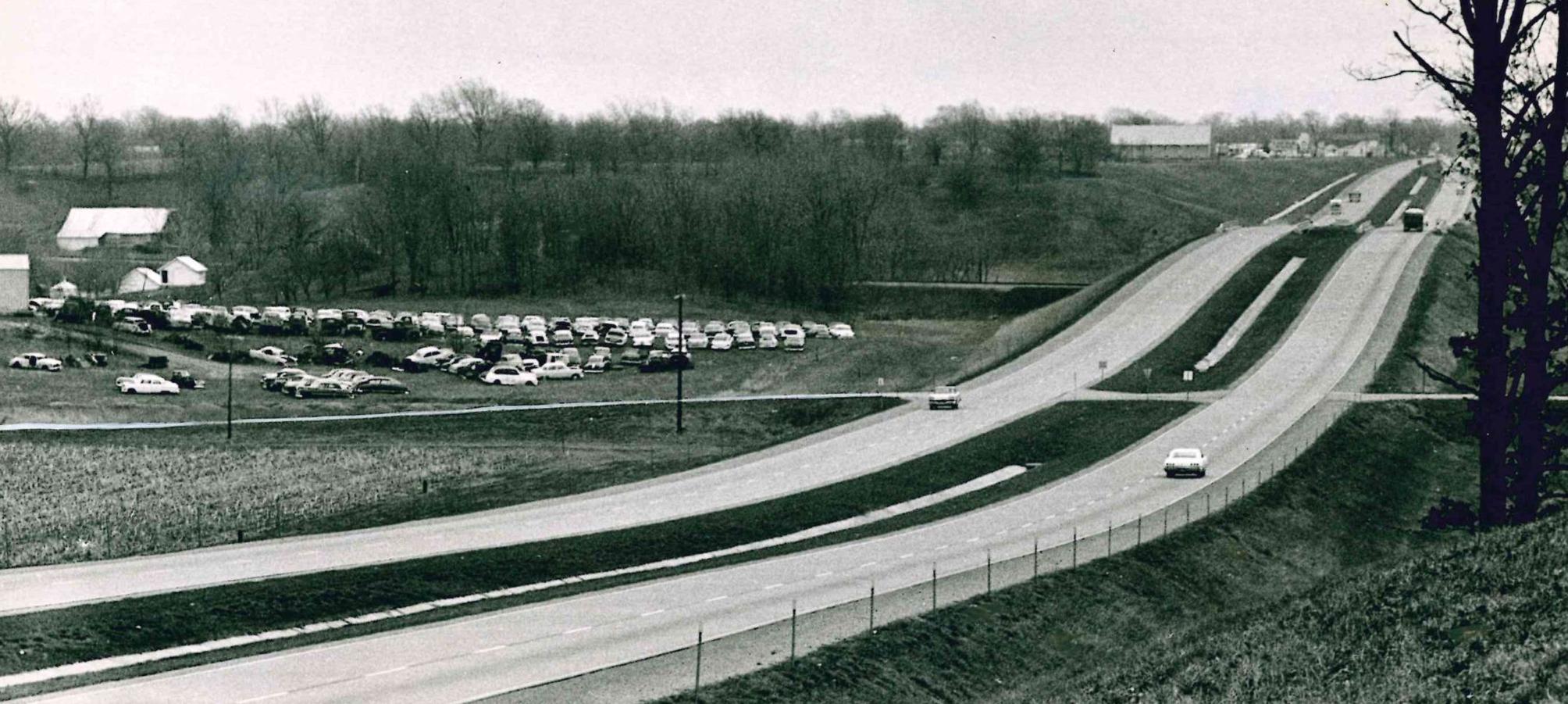
1965: Mayor-elect Wlater Reasor Jr. and Eastern Illinois University president have urged to move the junk yards west of Charleston city limits.
Krackers

1988: Teen night fills the floor at E.L. Krackers.
Rotary community pool
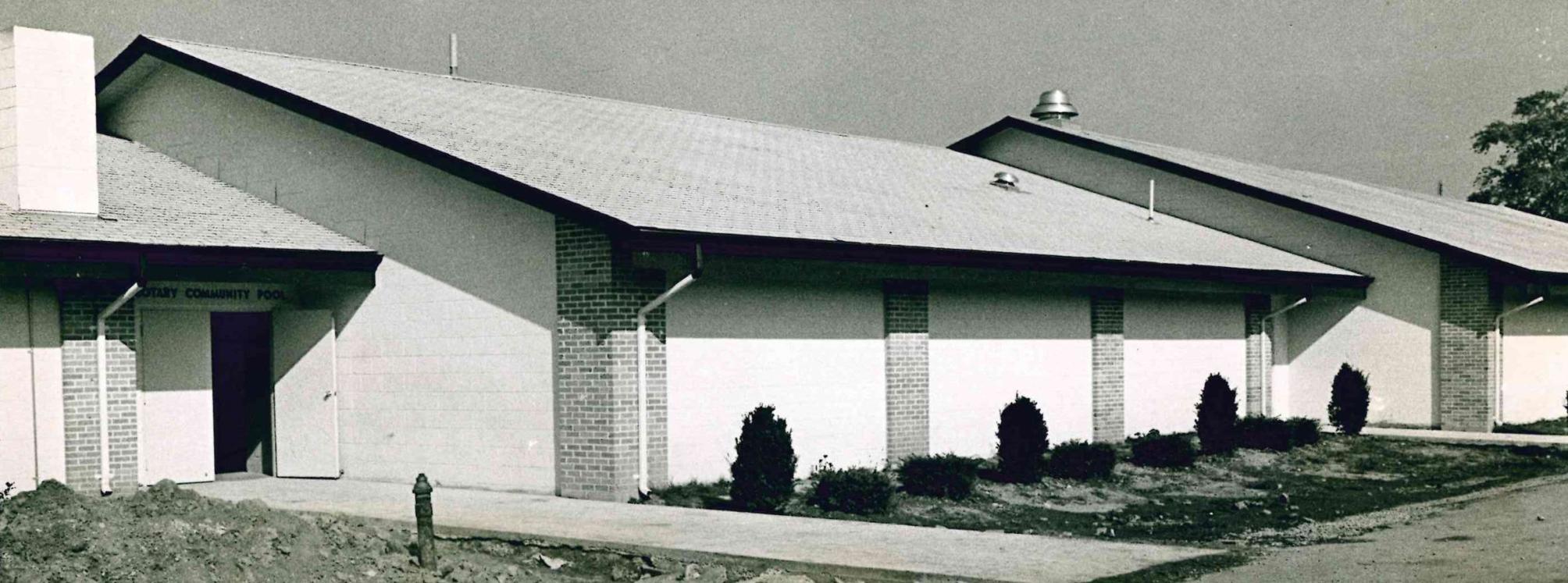
1974: The Charleston Rotary Community Pool is located on approximately five acres of land directly behind the Junior High School.
Waterworks

1948: Charleston’s waterworks is being converted from diesel to electric power this week at a savings in costs of $500 a month, releasing 18,000 gallons of fuel oil a year for other uses. Oil tanks will be kept full to enable emergency use of the diesel engines which will remain in place although disconnected.
Charleston airview

1985: Airview of Charleston.
American Hardware Supply aerial view

1982: Aerial view shows extent of American Hardware Supply Co.’s new 240,000 square foot distribution center north of Charleston.
Cheri Burcham is the Family Life Educator at the U of I Extension.
