
Government Health Censorship: What Are They Hiding?
Government Health Censorship: What Are They Hiding? in recent years, government health policy censorship has become a hot-button issue, sparking debates around transparency, public trust, and the balance between safety and freedom of speech. As governments worldwide grapple with the fast-paced world of digital communication, the delicate dance of controlling health narratives while maintaining public confidence has taken center stage. But what exactly are they hiding, and why does it matter?
The Power and Peril of Health Information
Health information is unlike any other. It has the power to save lives, calm fears, and build resilient communities. However, when mismanaged, it can also breed confusion, panic, and mistrust. This unique duality makes health communication a powerful yet potentially perilous tool, one that governments often feel compelled to regulate.
At the heart of this regulation lies government health policy censorship, a complex web of controls designed to shape public perception and guide behavior. While often justified as necessary for public safety, these measures can sometimes mask uncomfortable truths, obscure vital information, or stifle scientific debate.
The Origins of Health Censorship
Governments have long exerted control over health narratives, dating back to the early days of public health campaigns. During the 20th century, efforts to control infectious diseases like tuberculosis, polio, and influenza relied heavily on carefully crafted messaging to avoid public hysteria. In the 1918 influenza pandemic, for instance, governments suppressed the severity of the outbreak to maintain morale during World War I, leading to the virus being nicknamed the “Spanish Flu” due to less censorship in Spain.
However, the scale and speed of today’s digital information exchange have fundamentally altered the dynamics of this control. The rise of social media platforms and independent news sources has made it far more challenging for governments to manage health information. In response, many have turned to stricter government health policy censorship measures, leveraging algorithms, takedowns, and content flags to keep potentially harmful narratives in check.
The Modern Face of Health Censorship
Today, health censorship spans a wide range of practices, from straightforward fact-checking to more opaque forms of digital suppression. This censorship can manifest in various ways, including:
1. Content Removal and Account Bans
Platforms like YouTube, Facebook, and Twitter routinely remove posts or ban users for sharing what they label as “misinformation.” For instance, during the COVID-19 pandemic, social media platforms aggressively targeted posts questioning the origins of the virus or the safety of newly developed vaccines. While this approach was intended to prevent the spread of harmful falsehoods, it also led to legitimate scientific debates being shut down prematurely.
2. Algorithmic Throttling
Even without direct bans, platforms may reduce the visibility of certain content, pushing it out of users’ feeds through algorithmic manipulation. This silent form of censorship can be especially frustrating for researchers and independent journalists, whose work may be buried without explanation.
3. Legal Pressure
Governments may pass legislation compelling platforms to remove specific types of content, with hefty fines or operational restrictions as a deterrent. In Germany, for instance, the Network Enforcement Act (NetzDG) requires social media companies to remove “obviously illegal” content within 24 hours or face fines of up to €50 million.
4. Keyword Blacklisting
Certain terms or phrases may be quietly filtered out of search results or flagged for review, limiting their spread. This form of censorship often goes unnoticed by the public, making it a particularly effective yet controversial tactic.
5. Psychological Operations
In some cases, governments may engage in deliberate disinformation campaigns to counter what they perceive as harmful narratives. This tactic, known as “perception management,” aims to subtly shape public opinion by flooding social media with supportive messages or manipulating online trends.
The Ethical Tightrope
While the intentions behind these measures are often noble—protecting public health and preventing panic—they also raise significant ethical questions. At what point does protecting the public become silencing dissent?
For instance, during the COVID-19 pandemic, platforms and governments faced intense scrutiny over their handling of evolving scientific advice. Early claims about mask efficacy, vaccine side effects, and virus origins were swiftly labeled as misinformation, only for some of these theories to later gain mainstream acceptance as more data emerged.
This fluidity of science highlights a critical flaw in government health policy censorship: the risk of prematurely dismissing potentially valid perspectives, thereby stifling innovation and eroding public trust.
Why Governments Censor Health Information
To understand why governments engage in health censorship, it’s essential to appreciate the competing interests at play:
1. Public Safety and Panic Prevention
Governments often justify censorship as a means of preventing mass hysteria or dangerous behaviors during health crises. For example, during the early days of the COVID-19 pandemic, governments worldwide suppressed information about potential treatment shortages and overwhelmed hospitals to prevent widespread panic.
2. Political Stability
Health crises can quickly morph into political crises if mishandled, potentially undermining government legitimacy. For example, the Soviet Union’s initial denial of the Chernobyl nuclear disaster in 1986 is a stark reminder of how health information control can backfire when the truth inevitably surfaces.
3. Economic Stability
Public fear can lead to economic downturns, with businesses suffering from reduced consumer confidence and disrupted supply chains. Governments, therefore, have a vested interest in controlling health narratives to maintain economic stability.
4. Global Reputation
Countries may seek to control the narrative to protect their international standing and avoid diplomatic fallout. China’s tight control over information during the initial COVID-19 outbreak is a prominent example, as it sought to control the global narrative about the virus’s origins.
Real-World Examples of Health Censorship
Several high-profile cases illustrate the impact of government health policy censorship:
- China’s COVID-19 Response – China faced global criticism for allegedly suppressing early reports about the COVID-19 outbreak, including silencing whistleblowers like Dr. Li Wenliang and tightly controlling media coverage.
- The WHO’s Role – The World Health Organization has been accused of being overly deferential to member states, sometimes downplaying risks to avoid political backlash.
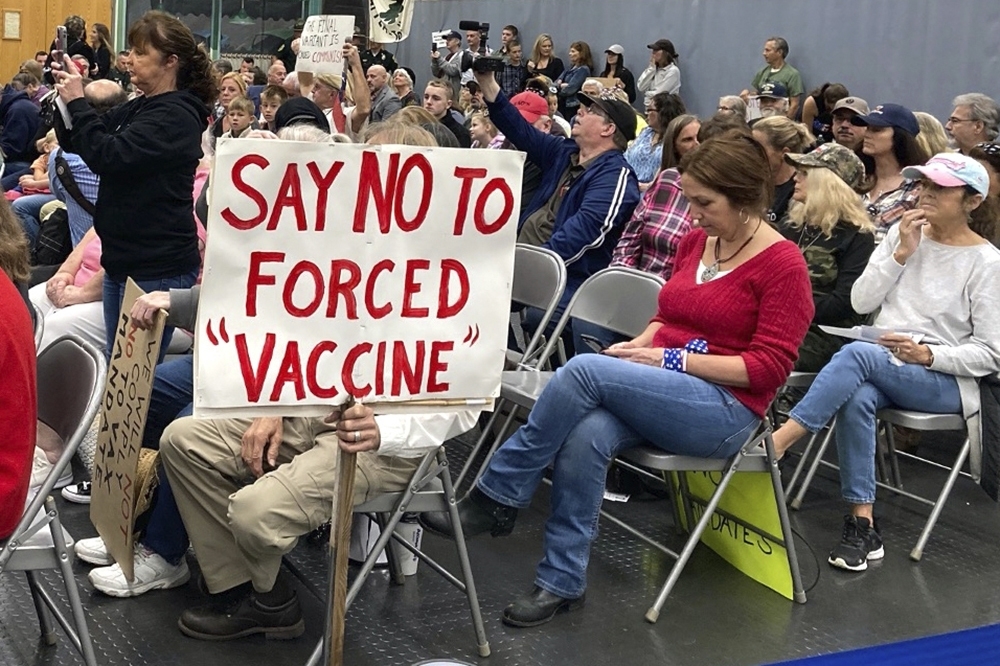
- Vaccine Hesitancy and Social Media – During the COVID-19 vaccine rollout, platforms like Facebook and YouTube implemented aggressive content moderation policies, sparking backlash from free speech advocates.
The Consequences of Censorship
While government health policy censorship can sometimes serve the greater good, it also carries significant risks:
- Erosion of Public Trust – When people sense that information is being hidden, they often become more skeptical, not less.
- Suppression of Innovation – Censorship can hinder scientific progress by stifling open debate and slowing the spread of new ideas.
- Creation of Echo Chambers – Overzealous censorship can drive people toward fringe platforms where misinformation can spread unchecked.
- Chilling Effect on Research – Scientists may be reluctant to explore controversial or politically sensitive topics for fear of backlash or funding cuts.