
FACTS FOR FAMILIES: Focus on fiber during national whole grain month | Health, Medicine and Fitness
September is National Whole Grain Month and Extension Educator Diane Reinhold has a great article about how we can incorporate more fiber into our diets.
Diane says: Whole grains are an essential part of a healthy and well-balanced diet. They provide fiber and vital nutrients our bodies need, such as B vitamins, antioxidants, and trace minerals like iron and zinc.
Dietary fiber is a form of carbohydrate that your body cannot absorb or digest. Because dietary fiber cannot be digested or broken down, it adds bulk to our stool, which helps you to stay regular and promotes a healthier gut microbiome.
FACTS FOR FAMILIES: Encourage volunteering in your family
Those consuming a diet rich in fiber generally have a reduced overall calorie intake because many high-fiber foods are low in calories. Foods rich in fiber helps you feel fuller longer, eat less, and stay satisfied longer, which helps in weight management.
There are many additional health benefits to consuming fiber. For one, the body has to work harder to break down high-fiber foods. This slows the absorption of natural sugars within those foods, positively impacting blood sugars. It also helps lower total blood cholesterol levels by reducing our “bad” cholesterol, otherwise known as low-density lipoproteins or LDL-cholesterol.
People are also reading…
With all we know about fiber and its health benefits, one would think everyone is consuming adequate amounts. However, on average, only 5% of Americans consume the recommended amount of fiber each day. The amount of dietary fiber needed each day will depend on our age and gender. Adults should consume at least:
• Men 51 years and older: 30 grams/day
• Men 50 years and younger: 38 grams/day
• Women 51 years and older: 25 grams/day
• Women 50 years and younger: 21 grams/day
The 2020 Dietary Guidelines recommend that all Americans make at least half their grains, whole grains, including older adults. Meaning, most people should consume three or more servings of whole grains each day.
All grains start as whole grains. However, many grains have vital nutrients stripped away during processing, making them less healthy. Therefore, when selecting grain-based foods, it is important to choose whole-grain foods. For an item to be considered a whole grain, all three components of the grain kernel must be included: bran, germ, and endosperm in their original proportions.
Finding whole-grain foods can be easy when they contain the Whole Grain Stamp. The stamp is a packaging label placed on products to help consumers easily identify products containing significant amounts of whole grain.
The label features a sheaf of grain on a golden-yellow background with a bold black border. There are three different varieties of the Whole Grain Stamp, the 100% Stamp, the 50%+ Stamp, and the Basic Stamp. Each stamp tells you how many grams of whole grain are in one serving of the product.
Here are some easy and tasty ideas to help you focus on fiber this month by including more whole grains in your everyday meals.
• Look for the Whole Grain Stamp when shopping and purchase items high in fiber.
• Start your morning with old-fashioned oats (oatmeal) with fresh berries or cinnamon, or try whole-grain corn grits with eggs. Learn more about oats and its health benefits.
• For lunch, use a whole-grain pita and stuff it with hummus and veggies.
• Include whole grain snacks, such as whole-grain graham crackers, popcorn or whole-grain melba toast, or crackers with tuna or canned salmon.
• Serve black beans with brown rice or barley and veggies for dinner. Or try baked fish and veggies, served with farro or brown rice. You can also add whole grains like barley or bulgur to soups and stews.
Whether focusing on increasing your overall fiber intake in the coming month or embracing whole grains, remember portion sizes matter. When portioning out your favorite whole-grain foods, remember to look at the serving size, as this will help you better meet your wellness goals.
Diane Reinhold’s, “Live Well, Eat Well” Blog, can be found at extension.illinois.edu/blogs/live-well-eat-well. Visit this site for the full article including references.
For more information on University of Illinois Unit 19 programming and to read more helpful articles, visit our website at https://extension.illinois.edu/ccdms , call us at 217-345-7034 or contact Cheri Burcham at [email protected] Also visit the Family Files Blog at https://extension.illinois.edu/blogs/family-files
Remember these Charleston locations?
Bill’s Bottle Shop

1979: The owner of bill’s Bottle Shop isn’t concerned about House Bill 21. The Liquor Commission has proposed extending bar hours from 1 to 2 a.m. and increasing the number of licenses from 25 to 32.
Filter Plant

1935: The new filtering plant in Charleston has been placed in operation. The plant, which has a daily capacity of two million gallons, consists of three filter beds, mixing and settling beds. A booster pump takes care of pressure in case of fires. The water comes from deep wells. The addition to the Charleston waterworks was financed through funds on hand and by a small bond issue.
Junk yard

1965: An auto graveyard near Charleston is nestled between rolling hills along scenic Illinois 16.
Junk yard

1965: Mayor-elect Wlater Reasor Jr. and Eastern Illinois University president have urged to move the junk yards west of Charleston city limits.
Krackers

1988: Teen night fills the floor at E.L. Krackers.
Rotary community pool
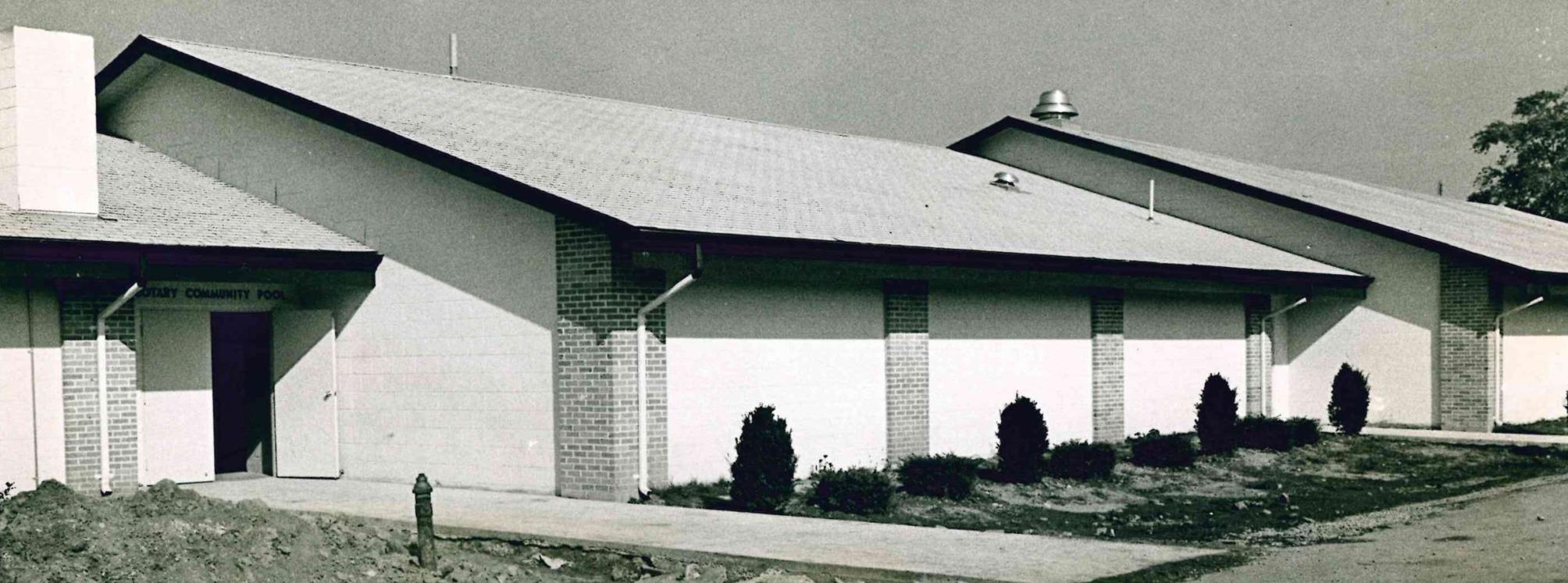
1974: The Charleston Rotary Community Pool is located on approximately five acres of land directly behind the Junior High School.
Waterworks

1948: Charleston’s waterworks is being converted from diesel to electric power this week at a savings in costs of $500 a month, releasing 18,000 gallons of fuel oil a year for other uses. Oil tanks will be kept full to enable emergency use of the diesel engines which will remain in place although disconnected.
Charleston airview

1985: Airview of Charleston.
American Hardware Supply aerial view

1982: Aerial view shows extent of American Hardware Supply Co.’s new 240,000 square foot distribution center north of Charleston.
Cheri Burcham is the Family Life Educator at the U of I Extension.
