
FACTS FOR FAMILIES: Baby feeding resource delivers peace of mind for new parents | Health, Medicine and Fitness
New parents faced with the responsibility of caring for a baby often wonder how often to feed a newborn, when to wean babies from breastmilk or formula, when to introduce baby to solid foods, and whether homemade baby food is better than store-bought.
Babies may not come with a care manual, but Feeding My Baby, a comprehensive website found at feedingmybaby.extension.illinois.edu/, has been developed by educators at University of Illinois Extension, and delivers a collection of best practices for navigating feeding milestones so that any new parent can feed their baby with confidence at every stage.
“We know that parents have a lot to figure out,” says Jenna Smith, nutrition and wellness educator with Illinois Extension. “It can be overwhelming for tired and busy new parents to sort through the multitude of resources available, so we’ve done the work to make that process easier.”
From food allergies to baby-led weaning, Illinois Extension’s Feeding My Baby website offers practical advice about nutritional needs and healthy feeding habits for babies. Parents can find trusted answers to common questions about feeding infants and learn about a variety of baby feeding topics, including:
• Moving to solid foods
People are also reading…
• Introducing new foods
• Making and storing homemade baby food
• Identifying possible food allergies
• Knowing foods to avoid
• Understanding baby-led weaning
• Encouraging healthy eating habits
FACTS FOR FAMILIES: Back to school, back to bullying?
Parents and caregivers visiting the site also found at go.illinois.edu/FeedingMyBaby will find homemade baby food recipes, as well as healthy recipes for the whole family.
For more information, Jenna Smith, Extension nutrition and wellness educator, can be reached at [email protected], or at 309-663-8306.
Remember these Charleston locations?
Bill’s Bottle Shop

1979: The owner of bill’s Bottle Shop isn’t concerned about House Bill 21. The Liquor Commission has proposed extending bar hours from 1 to 2 a.m. and increasing the number of licenses from 25 to 32.
Filter Plant

1935: The new filtering plant in Charleston has been placed in operation. The plant, which has a daily capacity of two million gallons, consists of three filter beds, mixing and settling beds. A booster pump takes care of pressure in case of fires. The water comes from deep wells. The addition to the Charleston waterworks was financed through funds on hand and by a small bond issue.
Junk yard

1965: An auto graveyard near Charleston is nestled between rolling hills along scenic Illinois 16.
Junk yard
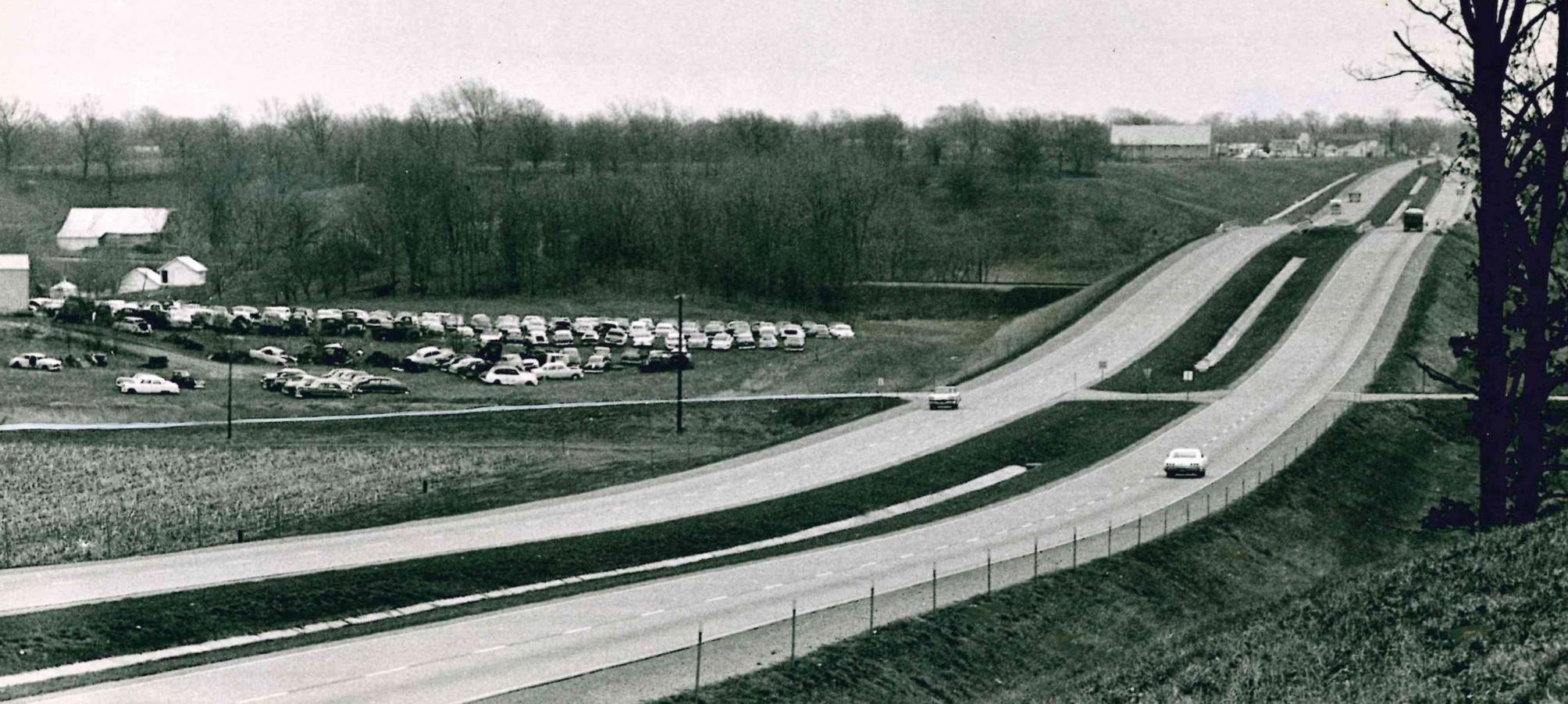
1965: Mayor-elect Wlater Reasor Jr. and Eastern Illinois University president have urged to move the junk yards west of Charleston city limits.
Krackers

1988: Teen night fills the floor at E.L. Krackers.
Rotary community pool
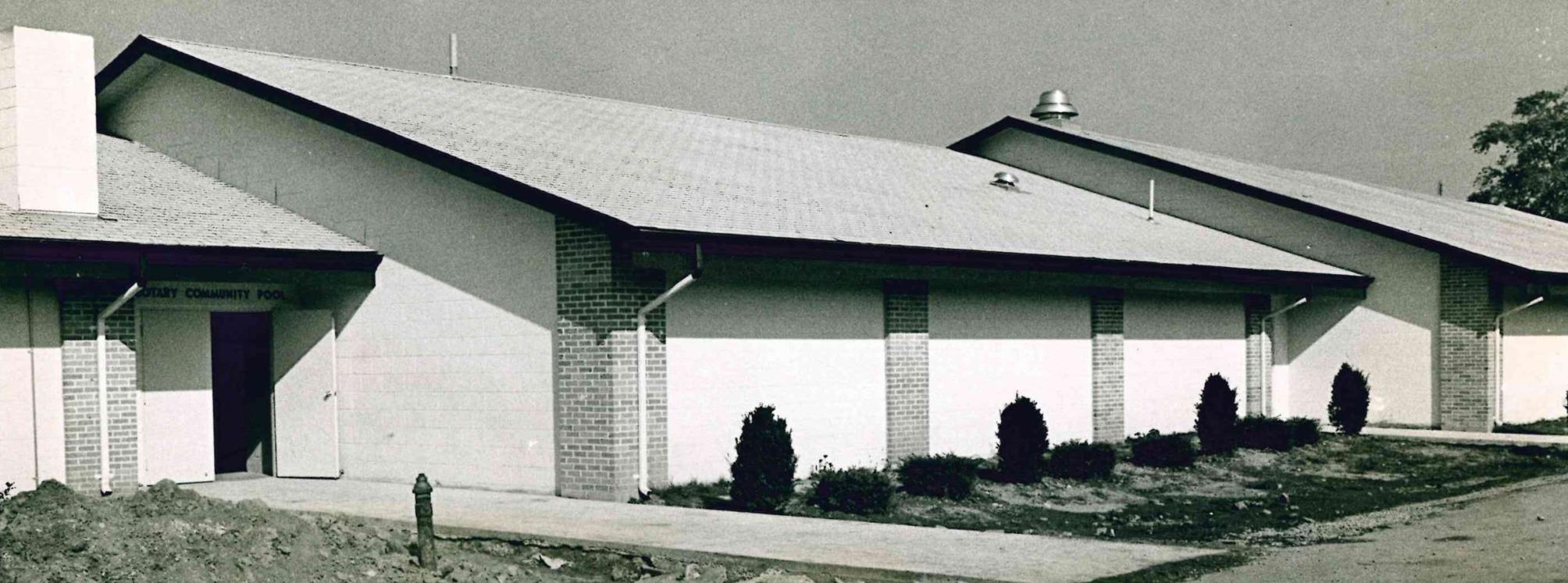
1974: The Charleston Rotary Community Pool is located on approximately five acres of land directly behind the Junior High School.
Waterworks

1948: Charleston’s waterworks is being converted from diesel to electric power this week at a savings in costs of $500 a month, releasing 18,000 gallons of fuel oil a year for other uses. Oil tanks will be kept full to enable emergency use of the diesel engines which will remain in place although disconnected.
Charleston airview

1985: Airview of Charleston.
American Hardware Supply aerial view

1982: Aerial view shows extent of American Hardware Supply Co.’s new 240,000 square foot distribution center north of Charleston.
Cheri Burcham is the Family Life Educator at the U of I Extension.
