
Doctor: The secret weapon for ending the pandemic
Does that surprise you? It shouldn’t.
Of course, risk mitigation — masks, distancing, and ventilation — is still critical for unvaccinated people, and for vaccinated people in public indoor spaces, until everyone who wants the vaccine has been offered one. Moreover, no two people’s risk or risk tolerance is exactly alike. But most people understand that health is more than the absence of disease.
In other words: not dying is important — and is essentially guaranteed after vaccination — but what about living?
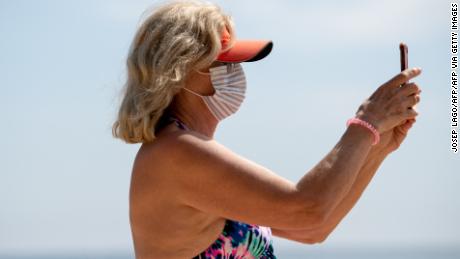
Most people who are skeptical about getting vaccinated aren’t anti-vaxxers; their hesitancy is rooted in misinformation, fear about vaccine side effects, historic abuse by our medical system, denial about their vulnerability to disease or lack of a trusted messenger to deliver nuanced guidance.
The hidden hurdle to ending the pandemic? A boost of confidence about post-vaccination life. This week, another patient said to me, “Why should my family get vaccinated if we still have to wear masks indefinitely?” The truth is, they won’t. Pandemics end; this one will, too. But without trust in the vaccines, it will take a lot longer.
Patients are motivated to get vaccinated when they realize that after vaccination they can liberalize their behaviors, see other vaccinated — and most unvaccinated — people without restrictions or fear, and unmask when appropriate.
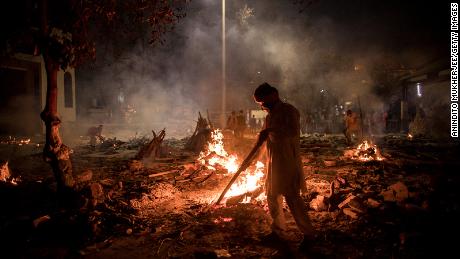
Vaccination is the key to reclaiming our lives, but taking a vaccine requires trust. Building trust takes time, mutual respect and a lot of listening. Instead of lecturing patients about getting vaccinated, I (like most primary care doctors) try to meet people where they are, understand their concerns, and equip them with medical evidence.
Primary care physicians — along with other trusted messengers like pastors, clergy and local leaders — are the secret weapon for ending the pandemic. We need to model vaccine confidence and advertise the clear benefits of vaccination. When making medical decisions, people are more likely to trust their health care provider (or other trusted leader) more than raw data, public health messages or doctors on TV.
In my 20 years of medical practice, I’ve found that modeling is frequently the best way to persuade people to make healthy decisions. When I take my mask off with my vaccinated patients, I encourage them to tell their friends. I remind them of their new freedoms. Sharing hopeful news can go “viral” just as quickly as the contagion of fear.
Not everyone will be convinced to take the vaccine, and not everyone goes to a doctor. We also don’t need 100% vaccine uptake to achieve herd immunity. We just need enough people empowered with enough nuanced advice from enough trusted guides to reclaim our collective safety and sanity.
Trust is the currency in medicine. It is hard-won and precious. Doctors need to leverage that trust to empower patients with evidence-based guidance and optimism. When hope is rooted in science, it’s our duty to dispense it.
